The Cold Water Swimming Revolution: Why Thousands Are Diving Into Icy Waters

There is a particular kind of stillness that arrives the moment your body hits cold water. The breath catches. The mind goes quiet. Every distraction you carried in with you dissolves in an instant, replaced by a single, urgent question: how do I survive the next ten seconds. It is uncomfortable, it is intense, and for a growing number of people around the world, it has become one of the most valuable habits in their lives.
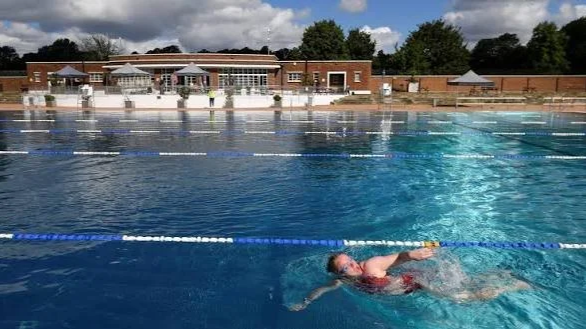
Cold water swimming, sometimes called wild swimming, ice swimming, or open water immersion, has moved from the fringes of extreme sport into mainstream wellness culture. Lakes, rivers, lidos, and coastlines that once sat empty through the colder months now draw crowds of swimmers in swim hats and neoprene gloves, queuing for their turn to get in. What was once considered eccentric is now backed by a growing body of research and a passionate global community. So what is actually going on when you submerge yourself in freezing water, and why do so many people choose to do it again and again.
What Counts as Cold Water Swimming
Cold water swimming generally refers to swimming in water below 15 degrees Celsius, though many enthusiasts push into far colder territory, swimming in water that hovers just above freezing during the depths of winter. Unlike a quick cold shower or an ice bath, open water swimming adds movement, unpredictability, and exposure to the elements, which changes the physiological and psychological experience considerably. You are not just enduring the cold, you are working against it, navigating currents, waves, and your own racing heartbeat all at once.
The Physical Benefits
Improved Circulation and Cardiovascular Health
When you enter cold water, your blood vessels constrict sharply at the skin’s surface, a process called vasoconstriction, which redirects blood toward your core to protect vital organs. As you warm up afterward, those vessels dilate again, sending a rush of fresh blood back to the extremities. Repeated exposure to this cycle is thought to train the cardiovascular system, improving circulation efficiency over time. Some research suggests regular cold exposure may also help regulate blood pressure, though people with existing heart conditions should always consult a doctor before starting, since the initial shock of cold water places real strain on the heart.
A Genuine Boost to the Immune System
Several studies, including a well cited piece of research from the Netherlands involving thousands of participants, found that people who incorporated cold showers or cold water exposure into their routine reported significantly fewer sick days than those who did not. The theory is that repeated mild cold stress increases the production of white blood cells, giving the immune system a periodic challenge that helps it respond more robustly to genuine threats. Cold water swimmers frequently report that they simply catch fewer colds during the winter months once the habit becomes consistent.
Reduced Inflammation and Faster Muscle Recovery
Athletes have used ice baths for decades to reduce inflammation and speed recovery after intense training, and cold water swimming delivers a similar effect. The cold constricts blood vessels and slows the metabolic activity in tissues, which can reduce swelling and the sensation of delayed onset muscle soreness. For anyone training hard, whether that is running, strength work, or combat sports, a cold swim after a heavy session can meaningfully shorten recovery time and reduce next day stiffness.
Increased Brown Fat and Metabolic Activation
Cold exposure activates brown adipose tissue, often called brown fat, a special type of fat that burns calories to generate heat rather than storing energy like regular white fat. Regular cold water immersion has been shown to increase the amount and activity of brown fat in the body, which can support a modest boost in metabolism. While cold swimming should never be viewed as a shortcut to fat loss, it is a genuine physiological effect that compounds nicely alongside a solid training and nutrition routine.
A Natural Painkiller
The shock of cold water triggers a surge of endorphins and noradrenaline, the body’s natural painkillers and mood regulators. Many people who suffer from chronic pain conditions report meaningful relief after consistent cold water swimming, describing a lightness in the body that lasts for hours after they get out.
The Mental and Emotional Benefits
A Dramatic Mood Lift
Cold water immersion triggers a significant release of dopamine, in some studies measured at levels far above what you would get from a moderate exercise session or a cup of coffee. This dopamine surge does not just spike briefly, it tends to elevate mood for hours afterward, which is part of why so many swimmers describe a natural high that follows their swim. For people managing low mood, seasonal affective symptoms, or general life stress, this is often the single most compelling reason they keep coming back.
Building Genuine Mental Resilience
There is no faking your way through a cold water swim. The moment your body hits the water, your nervous system screams at you to get out, and you have to consciously override that panic response with slow, controlled breathing. Doing this repeatedly builds a transferable skill: the ability to stay calm and clear headed when your body is telling you to react impulsively. Swimmers frequently describe carrying this composure into other stressful areas of life, from difficult conversations to high pressure work situations, because they have practiced staying regulated under real physical stress.
A Powerful Tool Against Anxiety and Depression
Emerging clinical interest in cold water therapy has led to small scale studies examining its effects on anxiety and depressive symptoms, with promising early results. Some clinicians now recommend cold water immersion as a complementary practice alongside traditional treatment, given its capacity to interrupt anxious thought spirals and provide an immediate, embodied sense of accomplishment. The combination of physical challenge, breath control, and the simplicity of the task, just staying present and getting through it, offers a rare kind of mental reset.
The Community and Ritual
Beyond the physiology, there is something deeply valuable in the ritual itself. Cold water swimming groups have sprung up in cities and coastal towns everywhere, and the shared experience of standing at the water’s edge together, counting down, and emerging shivering and laughing creates a strong sense of camaraderie. For many swimmers, the social connection built through regular sessions is just as important as the physical benefits, offering accountability, friendship, and a reason to show up even on the darkest winter mornings.
Getting Started Safely
If you are new to cold water swimming, the golden rule is to start gradually and never underestimate the water. Begin in milder temperatures, keep your first sessions short, just a minute or two, and always swim with others rather than alone. Get in slowly, control your breathing as the initial shock hits, and never swim in cold water if you have been drinking alcohol or have an underlying heart condition without medical clearance. Warm, dry clothing and a hot drink should be ready the moment you get out, since your body continues to cool for a period after leaving the water, a phenomenon known as afterdrop.
The Bottom Line
Cold water swimming is not a wellness fad that will fade with the next trend cycle. It is a simple, accessible practice with a genuine physiological and psychological basis, capable of improving cardiovascular health, boosting immunity, sharpening mental resilience, and lifting mood in ways few other activities can match. It costs nothing beyond a swimsuit and a body of water, and it asks for nothing more than a willingness to face genuine discomfort for a few minutes at a time. For those who commit to it, the reward is not just a healthier body, but a calmer, steadier mind that carries far beyond the water’s edge.