Can Exercise Protect Your Brain From Dementia? A Boxing Coach Checks the Facts
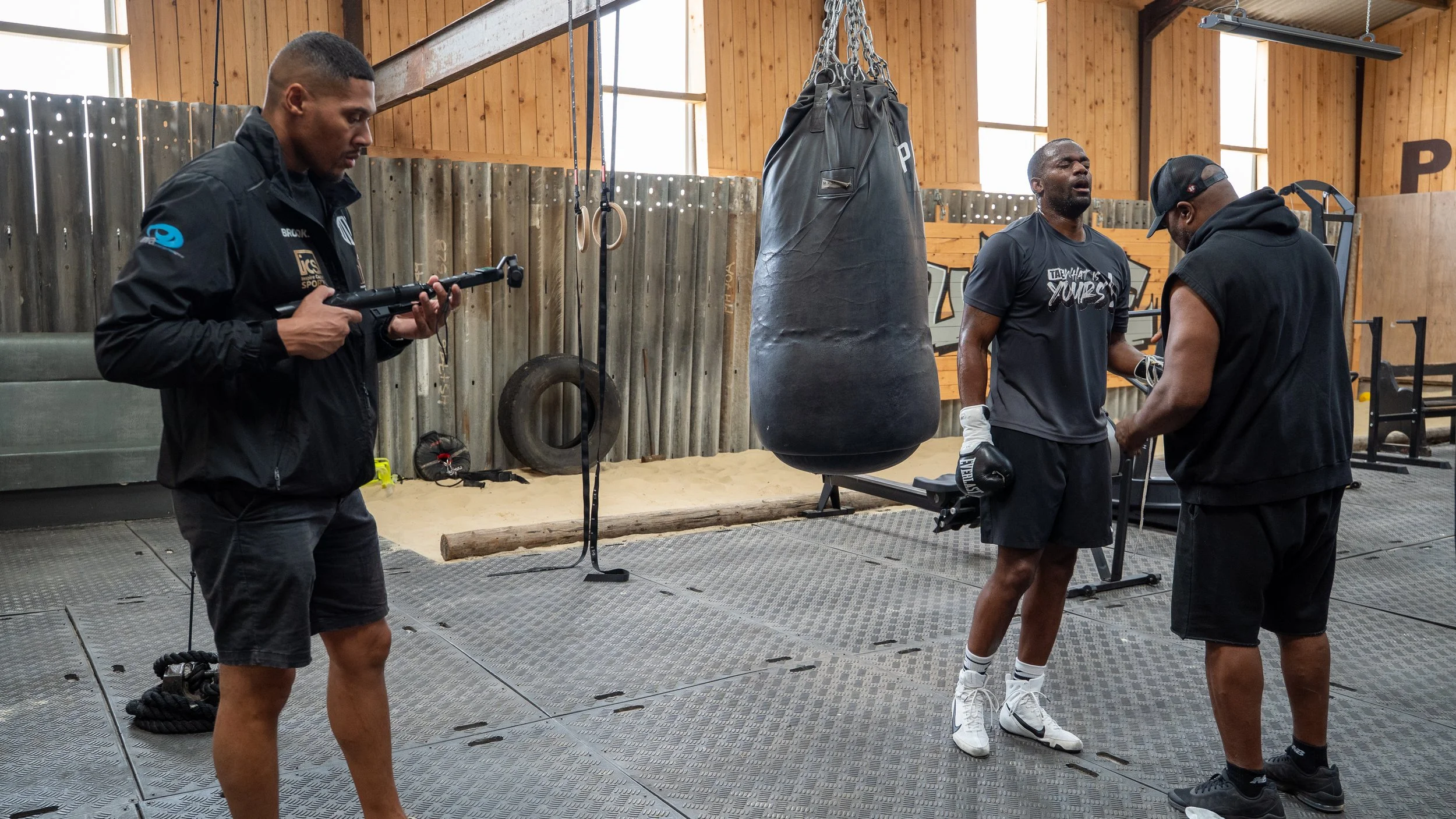
A post landed in my feed recently claiming that Alzheimer's starts in your thirties, that 95 percent of cases are preventable, and that the answer is a stack of supplements and an ebook with a link in the bio. It was being shared widely, and a lot of it was wrong.
Here's the good news. The real science is far more encouraging than the scare stories, and it points to something you can start doing this week. You can't buy a healthier brain in a capsule, but you can train for one.
I'm Rich, a professional boxing coach in North London, and I've been a personal trainer for 26 years. I hold British Boxing Board of Control credentials, England Boxing qualifications, a classical mat Pilates certification, and qualifications in sports massage and massage therapy. I train people's bodies for a living, and I take their brains just as seriously. So I checked those viral claims against the World Health Organization, the Lancet and the published research. Here's what's true, what isn't, and why boxing, strength training and Pilates deserve a place in your week.
Why this matters
According to the World Health Organization, 57 million people worldwide were living with dementia in 2021, with nearly 10 million new cases every year. Alzheimer's disease is the most common cause, making up roughly 60 to 70 percent of cases. Here in the UK, around one million people live with dementia, and it was the leading cause of death in England and Wales in 2025.
Those are big numbers, but they aren't the whole story. The part that doesn't go viral is how much of your future is still in your hands.
That 45 percent is a best case scenario, and age and genetics still play their part. But look at that list again. Many of those factors are things you can influence through how you move, how you live and who you spend time with. That's real power, and it's backed by the world's leading experts.
Save your money on supplements
In July 2026, the WHO released updated guidelines on reducing the risk of dementia. They advise against taking vitamin B, vitamin E, omega 3 or multivitamin supplements purely to prevent dementia unless a doctor has diagnosed a deficiency, because there isn't enough evidence the benefits outweigh the possible harms.
So skip the expensive capsules. If you think you might be low in something, ask your GP for a blood test. Then put that money and energy into something that actually works.
Sleep is your secret weapon
Researchers have shown that even a single night of lost sleep causes a measurable rise in amyloid, the protein linked to Alzheimer's, in healthy adults. It was a small study, and one rough night won't do lasting harm. But it's a great reminder that good sleep is one of the easiest wins available. And regular training can help you sleep better too
One well known study published in 2011 split 120 older adults into two groups for a year. One group walked for 40 minutes, three times a week, while the other did only stretching and toning. On brain scans, the walking group's hippocampus, the part of the brain central to memory, grew by around 2 percent. In healthy adults this area normally shrinks by about 1 to 2 percent a year after middle age, so that's a remarkable result from something as simple as regular walking.
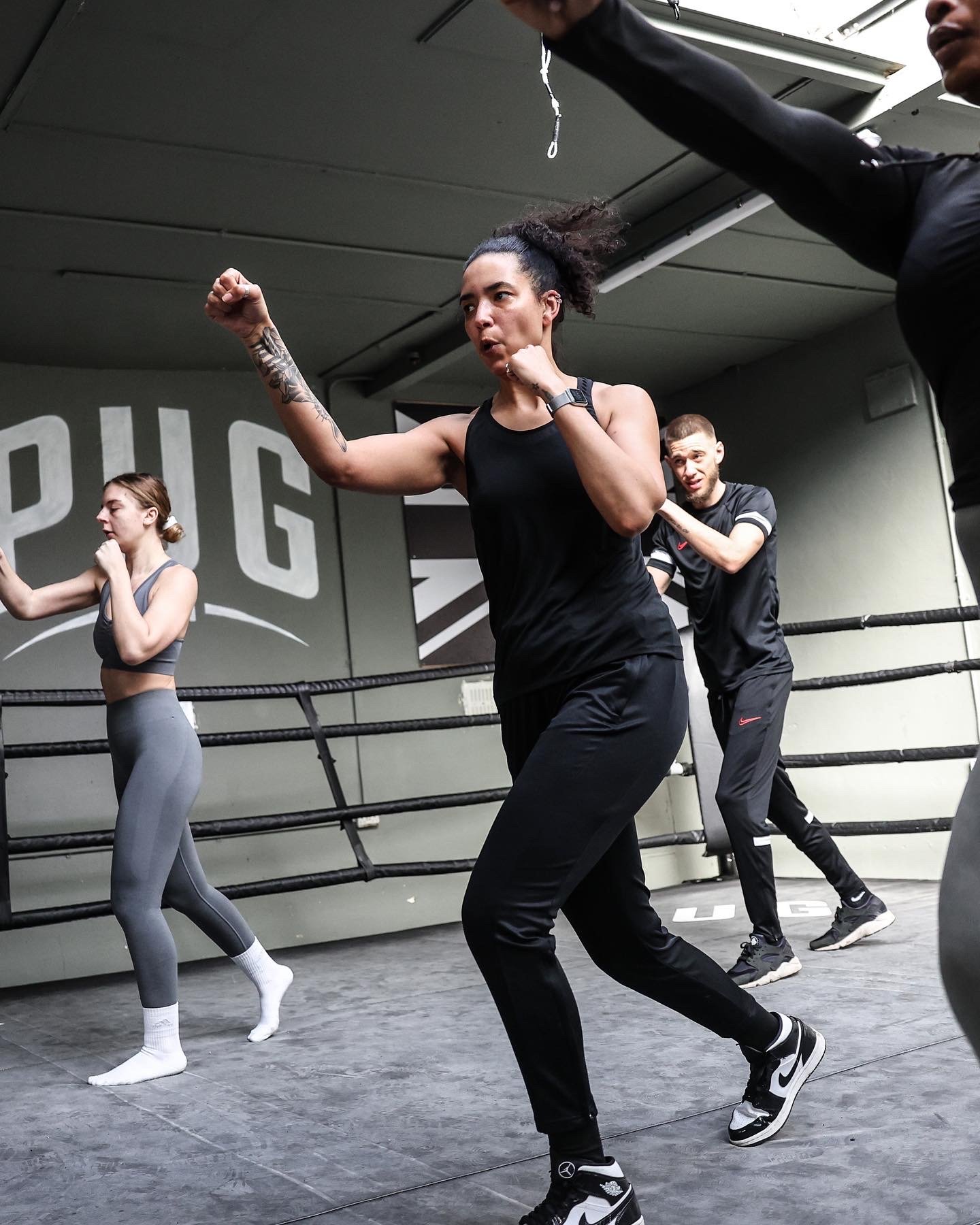
Your brain responds to training, just like your body does. You don't need anything extreme. You need to move, and keep moving.
Strength training builds more than muscle
Lifting weights deserves its place in this conversation too. A major 2018 review in the British Journal of Sports Medicine pooled the research on exercise and thinking skills in adults over 50. It found that resistance training improved memory and executive function, with benefits similar in size to aerobic exercise. More recent reviews have reached similar conclusions, and some rank strength work among the most effective options for overall cognition in healthy older adults.
Here's another myth busted: you don't have to lift at 80 percent of your maximum for any of this to count. The research supports sessions of around 45 to 60 minutes at moderate or vigorous effort. Consistent, well coached work beats heroic lifting that leaves you injured and back on the sofa.
Pilates: balance, control and fewer falls
Pilates shines where many of us need it most as we get older, which is balance. Several reviews of randomised trials in older adults show that it improves balance and may reduce the risk of falls. That matters because falls are a common cause of head injuries later in life, and head injury is one of those 14 risk factors. Pilates also builds the core strength and body control that make every other kind of training safer and more effective.
There are promising signs for the brain too. One study of postmenopausal women found that twelve weeks of mat Pilates improved verbal fluency and executive function. The research on memory is still growing, but the balance benefits alone make Pilates one of the smartest investments you can make in your long term health.
Why boxing training is such a strong choice
Boxing training packs almost everything the research supports into a single session. You get serious cardiovascular work, which has the strongest evidence behind it for brain health, with strength and core work alongside it. And boxing makes your brain work the whole time. You have to remember combinations, react to pad calls, and coordinate your hands and feet under pressure. Few workouts combine all three.
Just as importantly, it's the workout people actually stick with. It's challenging, it's addictive in the best way, and every session leaves you feeling sharper and stronger. Research on boxing itself is still young, so I won't make promises about preventing dementia that nobody can honestly make. What I can tell you is that consistency beats any perfect plan you abandon after three weeks, and boxing keeps people coming back.
All of the boxing, none of the hits
Head injury is one of those 14 risk factors, so how you box matters. Taking repeated punches to the head carries real risk, and that's exactly why sparring is never required when you train with me.
We work on pads, the heavy bag, shadow boxing, footwork and conditioning. You get everything that makes boxing training so effective, the fitness, the coordination, the focus and the confidence, without ever having to take a hit to the head.
The easy wins most people overlook
Alongside training, some of the most powerful steps cost nothing at all. Get your blood pressure checked. Have your hearing tested, and wear hearing aids if you need them. Stop smoking, drink less, keep seeing your friends, and protect your sleep. Small habits, big returns.
Train with me
Zero Tolerance Fight Factory offers private, one to one coaching by appointment across Camden, Hampstead Heath, Primrose Hill and North Finchley. You can choose boxing, mat Pilates or a mix of both, with strength work built in where it suits your goals. Whether you've never thrown a punch or you're coming back after years away, every session is built around you, and sparring is never required.
Your brain deserves the same investment as your body. The best time to start was years ago. The next best time is this week. Book your first session today at ztfightfactory.com and let's get to work.
This article is for general information only and isn't medical advice. Please speak to your GP before starting a new exercise programme, especially if you have a health condition.