Arthritis, Osteoarthritis and Why Movement Is the Best Medicine
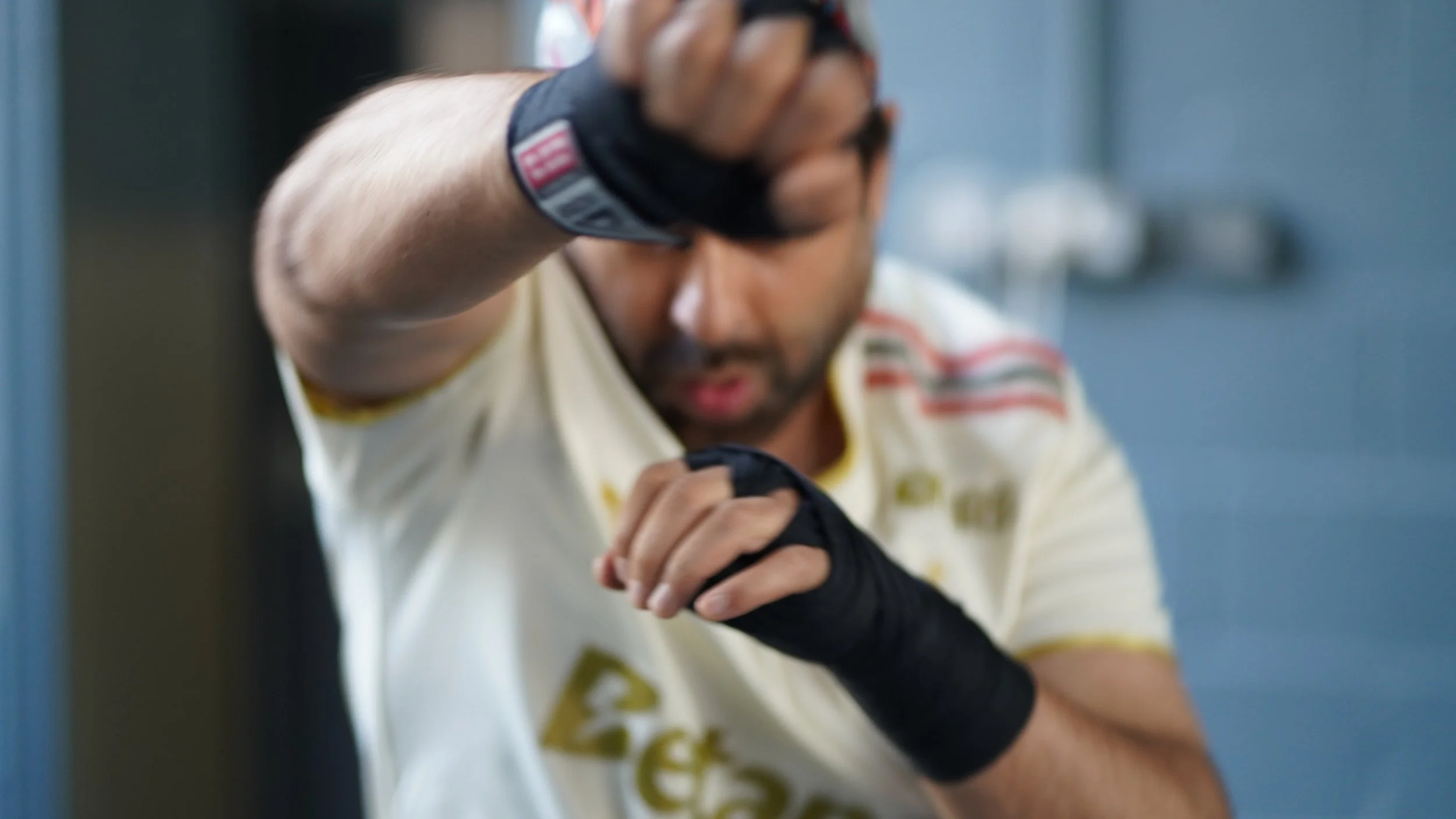
If you have been told you have arthritis or osteoarthritis, the instinct is often to slow down. To protect yourself. To rest. And while rest has its place, staying still is rarely the answer. In fact, for many people living with these conditions, the right kind of movement is one of the most powerful tools available.
This blog breaks down what arthritis and osteoarthritis actually are, why weight loss matters, and how boxing and boxercise can play a genuine role in managing symptoms and improving quality of life for both men and women.
What Is Arthritis?
Arthritis is not a single condition. It is an umbrella term covering more than 100 different types of joint disease. The two most common are:
Rheumatoid Arthritis (RA) — an autoimmune condition where the immune system attacks the lining of the joints, causing inflammation, swelling, and pain. It can affect people of any age.
Osteoarthritis (OA) — the most prevalent form, particularly in adults over 45. OA involves the gradual breakdown of cartilage, the protective tissue that cushions the ends of your bones within a joint. As cartilage wears away, bone begins to rub against bone, causing pain, stiffness, and reduced range of motion.
OA most commonly affects the knees, hips, hands, and spine. It affects men and women, though women are statistically more likely to develop it, particularly after the age of 50.
What Causes Osteoarthritis?
While ageing is a factor, OA is not simply an inevitable part of getting older. Several things increase the risk:
Being overweight or obese places significantly more load through the weight-bearing joints. The knee, for example, absorbs approximately four to six times your body weight during normal walking. Carrying excess weight accelerates cartilage breakdown over time.
Previous joint injury, repetitive strain, genetics, and sedentary lifestyle all contribute as well.
The good news is that lifestyle changes, particularly around body weight and physical activity, can meaningfully slow the progression of OA and reduce pain.
Why Weight Loss Makes a Real Difference
For anyone carrying excess body weight, even a modest reduction can have a significant impact on joint health. Research consistently shows that losing just 10% of body weight can reduce knee pain by up to 50% in people with OA.
Here is why:
Every kilogram of body weight lost reduces the compressive load on the knees by approximately four kilograms per step. Over thousands of steps a day, that adds up to an enormous reduction in stress on already-compromised cartilage.
Excess fat tissue is not just passive weight. It actively produces inflammatory proteins called cytokines, which promote joint inflammation and accelerate cartilage degradation. Reducing body fat reduces this inflammatory load throughout the body.
Weight loss also improves mobility, reduces fatigue, and makes exercise feel more achievable, creating a positive cycle rather than a downward one.
This is why a combined approach of smart nutrition and regular physical activity is so effective. Not one or the other. Both together.
Where Boxing and Boxercise Come In
Boxing is not just for fighters. As a training method, it offers a unique combination of cardiovascular conditioning, full-body strength work, coordination, and stress relief that is difficult to replicate in a gym class or on a treadmill.
Boxercise, which applies boxing training principles without full-contact sparring, has become increasingly popular precisely because it delivers exceptional results while remaining accessible to a wide range of people, including those managing joint conditions.
Here is what makes it particularly well-suited for people with arthritis and OA:
It Is Low Impact on the Joints That Matter Most
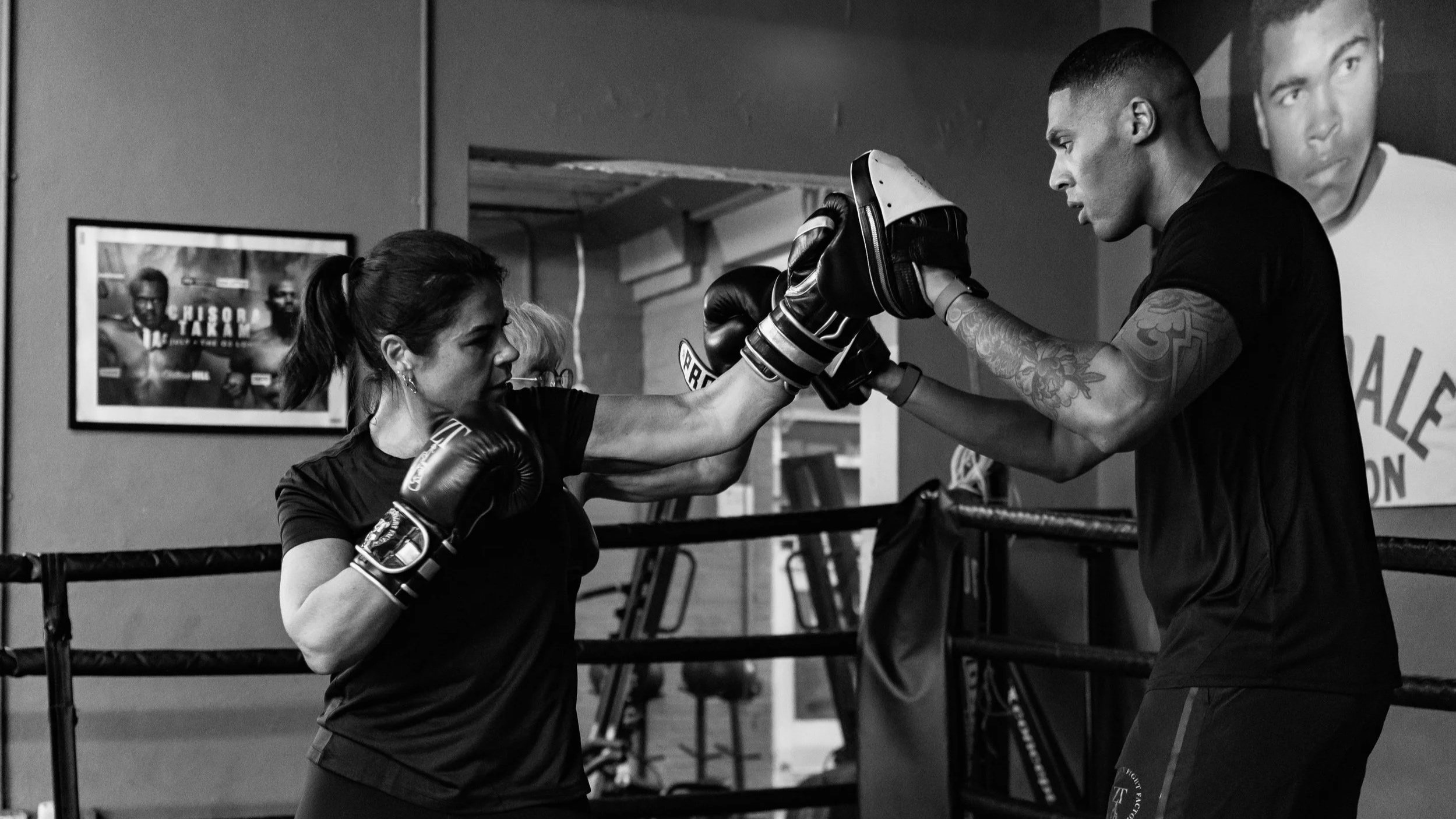
Boxing training, done correctly, is primarily upper body and core dominant. Pad work, bag work, shadow boxing, and combination drilling place minimal stress on the knees and hips compared to running, jumping, or high-impact aerobics. For someone managing lower limb OA, this is significant.
Footwork and stance can be adapted to suit the individual. Sessions can be modified to work around limitations without reducing their effectiveness.
It Builds Muscle Around the Joints
One of the most important things you can do for arthritic joints is build the supporting musculature around them. Strong quadriceps, for example, reduce the mechanical load on the knee joint. Strong glutes and hip abductors protect the hips.
Boxing training builds functional, whole-body strength. The rotational power generated through combinations engages the core, hips, legs, and upper body simultaneously. This is not isolated, machine-based gym work. It is integrated movement that mirrors how the body actually functions.
It Burns Calories and Supports Sustainable Weight Loss
A single session of boxing or boxercise can burn anywhere between 400 and 700 calories depending on intensity, duration, and individual factors. More importantly, it is engaging enough that people actually turn up for it.
Consistency is everything when it comes to weight loss and joint health. The best exercise programme is one you will stick to. Many people who have tried and disengaged from traditional gym routines find boxing training to be genuinely enjoyable, competitive with themselves, and rewarding in a way that keeps them coming back.
It Improves Cardiovascular Health
People with arthritis have a higher risk of cardiovascular disease due to chronic inflammation and reduced activity levels. Regular aerobic exercise directly addresses this. Boxing training, even at a moderate intensity, elevates the heart rate, improves circulation, and builds cardiovascular endurance, all of which support long-term health well beyond the joints themselves.
It Reduces Stress and Improves Mental Health
Chronic pain is exhausting. The psychological toll of living with a condition like OA should never be underestimated. Exercise, and boxing in particular, is a proven stress reliever. The focus required during pad work, the release of hitting a bag, and the sense of achievement that comes from learning a new skill all contribute to improved mood and a stronger sense of control over one’s own body.
This matters. People who feel better mentally are more likely to stay active, eat well, and manage their condition proactively.
It Is Suitable for Both Men and Women
Arthritis affects both sexes, and so do the benefits of boxing training. Women do not need to train differently to get results. Sessions can be designed around the individual, their current fitness level, their limitations, and their goals. Whether you are a 35-year-old woman with early-stage knee OA or a 55-year-old man managing hip pain, the fundamentals of good coaching apply equally.
The key is working with someone who understands how to adapt training intelligently.
Practical Considerations Before You Start
If you have been diagnosed with arthritis or OA, there are a few things worth noting before starting any new exercise programme:
Get clearance from your GP or specialist if your condition is severe or if you are currently experiencing a flare-up. During active inflammation, high-intensity training should be paused in favour of gentle movement.
Start gradually. Your first sessions should focus on technique, range of motion, and building foundational fitness. Progress is not linear when managing a chronic condition, and that is completely normal.
Work with a qualified coach. Generic online videos are no substitute for professional guidance. A coach who understands how to modify sessions for joint conditions, and who holds recognised credentials in both fitness and boxing, can make the difference between training that helps and training that hinders.
Listen to your body. Some discomfort during exercise is expected. Sharp, sudden, or worsening pain is a signal to stop and seek guidance.
A Note from Rich
I hold a Diploma in Personal Training alongside my BBBofC professional boxing coach credentials and England Boxing coaching qualifications. My approach at Zero Tolerance Fight Factory is built around precision, adaptability, and long-term results.
I have worked with clients at very different stages of their fitness journey, including those managing joint conditions, and every programme I design is tailored to the individual in front of me. The goal is never to push someone into the ground for the sake of it. It is to build them up in a way that is sustainable, effective, and empowering.
If you are living with arthritis or osteoarthritis and you want to explore whether boxing training could work for you, get in touch. We will have an honest conversation about where you are, where you want to be, and how to get there safely.
The Takeaway
Arthritis and osteoarthritis do not have to mean the end of an active life. The evidence is clear: weight loss reduces joint load and inflammation, and regular exercise, including boxing and boxercise, strengthens supporting muscles, improves cardiovascular health, and enhances quality of life for both men and women.
The worst thing you can do is nothing. The right movement, done consistently, is medicine.
Zero Tolerance Fight Factory operates across North London, including Camden, Primrose Hill, Hampstead Heath, and North Finchley at PUG Yard. Sessions are private, focused, and built around you.